Thinking about making Bedford-Stuyvesant home? You’re not alone. Bed-Stuy blends classic brownstone streets, a rich cultural legacy, and lively neighborhood blocks with real urban tradeoffs. In this guide, you’ll learn how the area feels day to day, what housing looks like, how you might get around, and what to consider if you plan to buy or sell here. Let’s dive in.
Where Bed-Stuy is
Bed-Stuy sits in north-central Brooklyn within Kings County. Locals often describe it by its subareas, including Bedford, Stuyvesant Heights, and the blocks around Tompkins Park, with commercial life focused along Fulton, Bedford, Franklin, and Myrtle avenues. Boundaries can blur into Clinton Hill, Crown Heights, and Bushwick, so block-by-block differences are common.
For this guide, think of Bed-Stuy as the cluster of historic residential streets and mixed-use corridors that include these subareas and avenues. This framing helps you understand lifestyle fit while recognizing the neighborhood’s size and diversity.
Housing and architecture
Brownstones and rowhouses
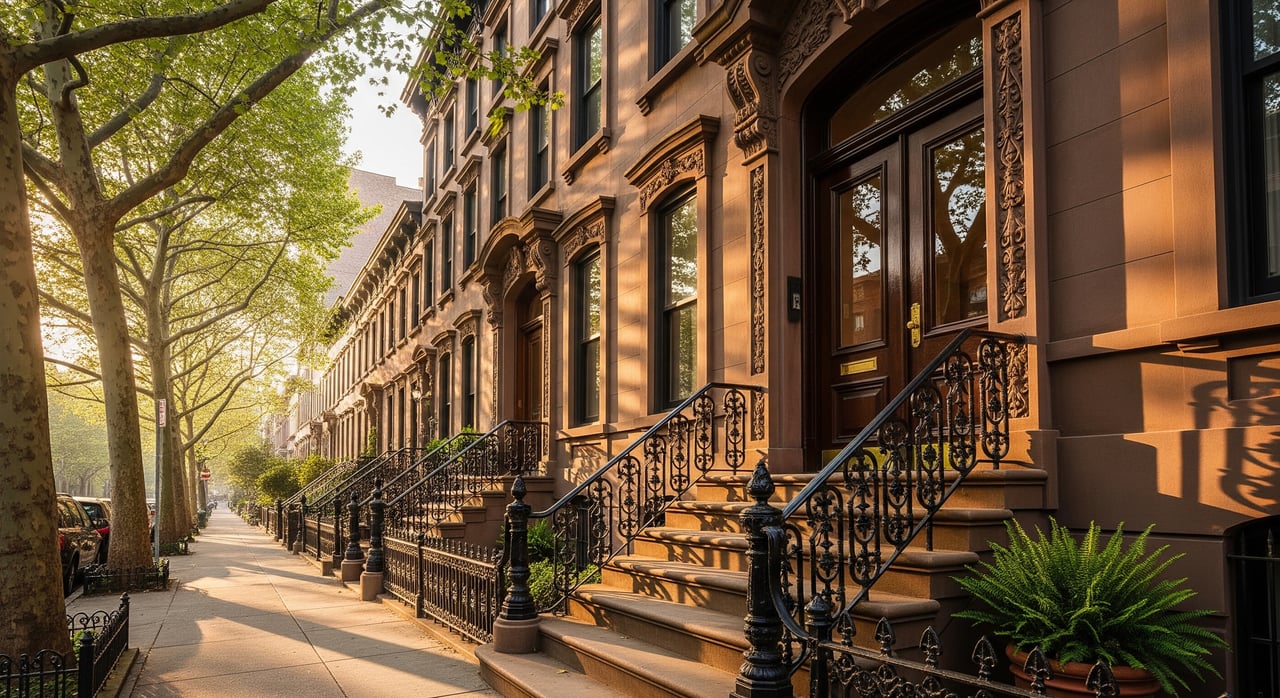
Bed-Stuy’s visual identity centers on late‑19th‑century brownstones and rowhouses. Many are two to four stories, often with stoops, parlor floors, and garden or basement levels. Interiors range from fully restored to modernized gut renovations, and finishes vary widely from home to home.
Condos, co-ops, and rentals
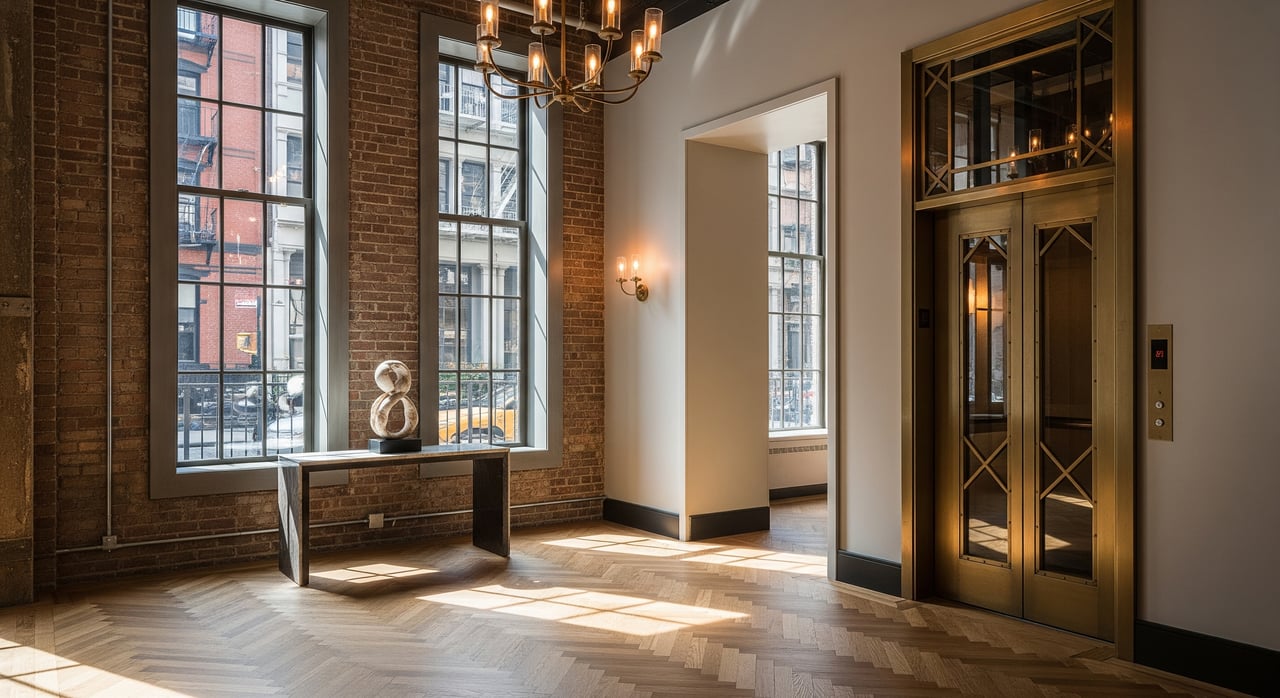
You’ll also find attached brick townhomes, low-rise walk-ups, and scattered newer condo buildings or infill apartments. The tenure mix includes owner-occupied townhouses, condo and co-op units, and a large rental inventory. If you’re buying, expect a mix of move-in ready homes and places that need work. If you’re renting, inventory can shift by season and by corridor.
Renovation and landmarks
Owning a historic brownstone can be rewarding, but it comes with maintenance. Masonry, cornices, roofs, and old mechanical systems may require upgrades. In landmarked areas, exterior changes like windows, stoops, or cornices often need approval from the city’s preservation body. Plan for permits and reviews if you’re considering an extension or conversion.
Daily life and amenities
Commercial corridors
Life in Bed-Stuy often revolves around its main streets. Fulton Street and Franklin Avenue have grown into dining and nightlife hubs. Bedford and Myrtle avenues host a mix of cafes, bakeries, boutiques, salons, and everyday services. You’ll see a blend of long-standing neighborhood businesses alongside newer spots.
Food and dining
The food scene reflects the area’s roots and evolving tastes. You’ll find Caribbean and Southern-influenced restaurants, West African fare, pizza shops, and contemporary bistros. Coffee culture is strong, and corner groceries are common. Farmers’ markets and specialty shops pop up nearby, though full-service supermarkets vary by block.
Parks and green space
Herbert Von King Park is a central gathering place with lawns, playgrounds, and community programming. Beyond that, you’ll find pocket parks and community gardens that host events, markets, and exercise classes. Larger destinations like Fort Greene Park and Prospect Park are a short ride away for many residents.
Culture and community
Bed-Stuy is home to churches with historic congregations, arts spaces, and community organizations that shape local life. The neighborhood’s stoop culture remains a hallmark, with block associations and seasonal events playing a strong role. Important cultural institutions, including the Weeksville Heritage Center and the Bed-Stuy Restoration Corporation, reflect the area’s history and ongoing community work.
Safety and quality-of-life notes
Public safety perceptions vary by block and time of day. Many residents review NYPD precinct data to understand trends over time. Quality-of-life topics you’ll hear about include nightlife noise near busy corridors, street cleanliness, construction activity, and the realities of limited parking.
Getting around
Subways and buses
Bed-Stuy is considered transit-rich compared to many U.S. neighborhoods. Multiple subway lines and bus routes serve different corners of the area. Commute times to Manhattan or other job centers vary by exact location and route, so check real-time options with trip planners for the most accurate door-to-door estimates.
Biking and walking
Citi Bike stations and bike lanes are common in and around the neighborhood. Biking is a practical option for short trips to nearby Brooklyn neighborhoods and transit connections. Many errands can be done on foot, especially along the main commercial corridors.
Driving and parking
Car ownership is lower than in suburban areas, and parking is limited. Alternate-side rules and tight curb space are routine parts of life here. Some buildings offer private parking, but that is not the norm, so weigh the costs and convenience of a car carefully.
Schools and services
Schools
Bed-Stuy is served by New York City Department of Education zoned public schools, with charter and private options in the wider area. School quality, admissions, and zone lines change over time. Many families research several pathways, including specialized programs, to find the right fit.
Healthcare
You’ll find primary care, urgent care, and community clinics in and around the neighborhood. Larger hospital systems that serve northern Brooklyn are accessible by transit or car. Families also look for convenient pediatric, dental, and specialty care nearby when choosing a home.
Lifestyle fit
Who thrives here
You may thrive in Bed-Stuy if you value historic architecture and a strong neighborhood identity, want diverse dining and cultural options, and appreciate active streets with good transit access. If you like the character of stoops and brownstone blocks, Bed-Stuy is compelling.
Tradeoffs to weigh
Older homes can have stairs, narrower layouts, and higher maintenance costs. Private outdoor space and off-street parking are limited. Nightlife and construction can add noise around busier corridors. If you need a one-seat express commute at specific times, confirm your exact address and route.
Buying or selling in Bed-Stuy
Market nuance
The market is competitive in many pockets. Townhouses on picturesque blocks and renovated condos often draw strong interest, while homes that need work may require pricing adjustments or renovation plans. Values vary block by block, influenced by proximity to transit and active commercial corridors.
Inspections and hidden costs
Older buildings deserve thorough inspections. Common items include foundations and masonry, roof and drainage, electrical and plumbing updates, and potential lead paint or asbestos in older materials. Renovation budgets can vary widely, and many owners plan a contingency to manage surprises.
Timelines and strategy
Sale timelines depend on seasonality, location, and property type. Co-ops have board approvals, which can add steps, while condos have different closing processes and fees. In landmarked areas, exterior work requires more planning. A local strategy that reflects the specific block and property type usually delivers the best results.
Ready to explore Bed-Stuy?
Whether you’re drawn to a classic brownstone, a boutique condo, or an income-producing townhouse, you deserve a local, data-informed plan tailored to your block and your goals. If you’re considering buying or selling in Bed-Stuy, connect with a neighborhood-focused advisor who understands historic districts, renovation realities, and marketing that reaches the right buyers.
Have questions or want a custom game plan for your address? Reach out to Donald Lai for smart, high-touch representation backed by deep local expertise.
FAQs
How expensive is housing in Bedford-Stuyvesant?
- Pricing shifts by block and property type, so review recent local comps and current inventory with a neighborhood agent for the most accurate picture.
Is Bedford-Stuyvesant safe at night?
- Safety varies by location and time; many residents review NYPD CompStat data and visit blocks at different hours to understand patterns before deciding.
Which subway lines serve a Bed-Stuy address?
- Service depends on the exact address; use an MTA trip planner or a mapping app to compare door-to-door routes and times for your commute hours.
Are parts of Bed-Stuy landmarked?
- Yes, several historic districts exist; check NYC Landmarks Preservation Commission maps to confirm whether a specific property faces exterior work rules.
What schools serve my Bed-Stuy home?
- Zones and options change; use the NYC Department of Education tools to confirm zoned schools, admissions processes, and available programs.
What should I inspect in a Bed-Stuy brownstone?
- Focus on structure and systems first, including foundation, masonry, roof, drainage, electrical, plumbing, and potential lead paint or asbestos.
How is parking in Bedford-Stuyvesant?
- Street parking is limited and regulated by alternate-side rules; private parking exists on a small share of properties, so many residents rely on transit or bikes.